
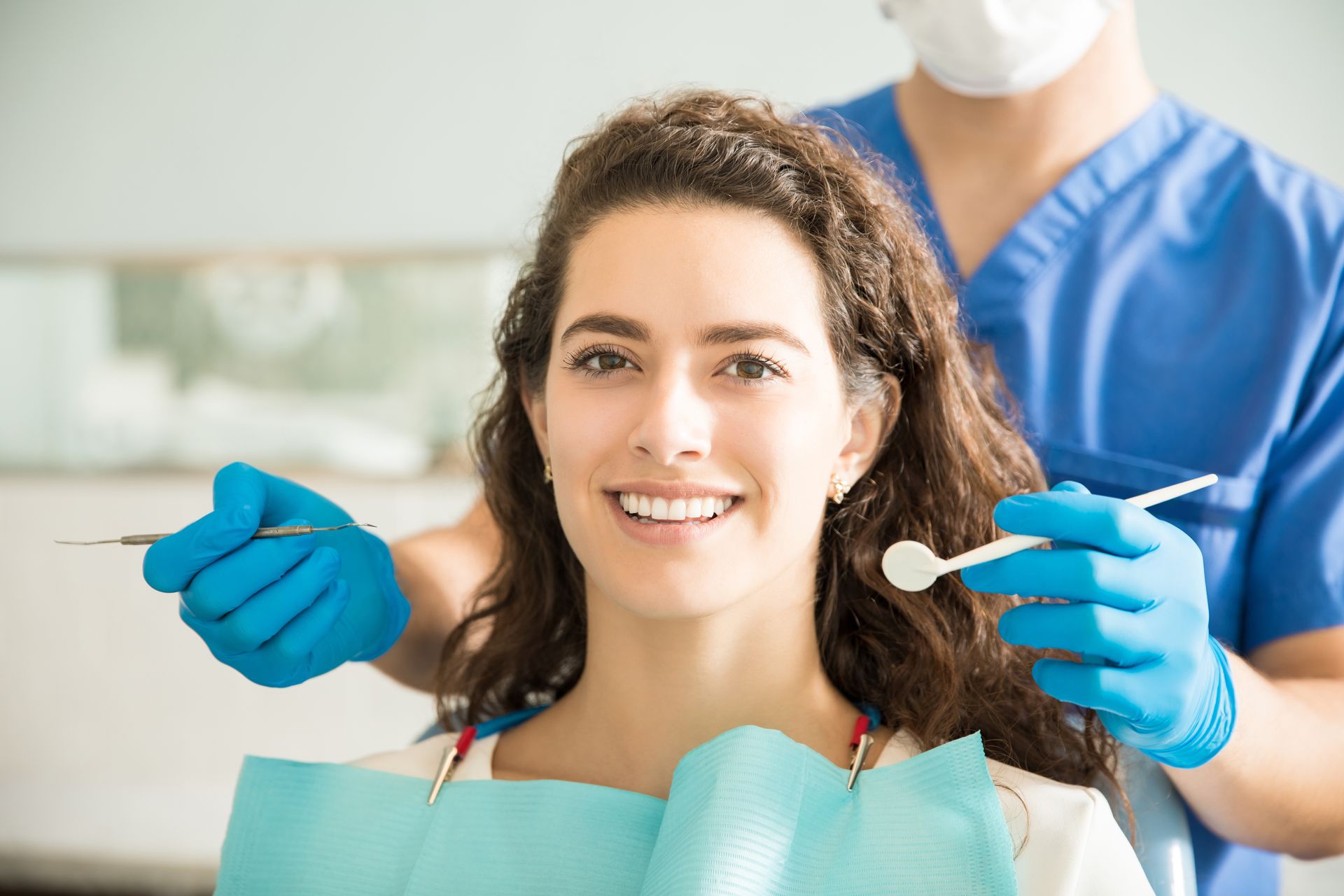
A healthy smile doesn’t just happen—it’s the result of consistent daily care and regular professional attention. Even if your teeth feel fine and look bright, what’s happening beneath the surface can make all the difference in your oral health. The right habits at home combined with professional cleanings can help you keep your teeth strong, your gums healthy, and your smile looking its best for years to come.
Why Oral Health Should Be a Priority
Your mouth is the gateway to your overall health. When your teeth and gums are healthy, you can chew comfortably, speak clearly, and feel confident in your smile. But when oral health is neglected, issues like cavities, gum disease, and infections can develop—and these don’t just affect your mouth. Studies have linked poor oral health to systemic conditions like heart disease, diabetes, and even complications during pregnancy.
Maintaining healthy teeth is about prevention, not just fixing problems once they arise. And prevention starts with two key factors: good habits at home and regular professional dental cleanings.
Daily Habits That Protect Your Smile
Here are core daily routines recommended by the
American Dental Association (ADA)
that lay the foundation for long-term oral health:
1. Brush Twice a Day
Use a soft-bristled toothbrush and fluoride toothpaste.
Spend at least two minutes brushing, making sure to reach every surface of every tooth.
Replace your toothbrush every 3–4 months or sooner if the bristles are frayed.
2. Floss Once a Day
Flossing removes plaque and food particles that a toothbrush can’t reach—especially between teeth and under the gumline.
Use traditional string floss, dental picks, or a water flosser, whichever you find easiest to use consistently.
3. Rinse With Mouthwash
Antimicrobial or fluoride mouthwashes can help reduce bacteria and strengthen enamel.
Swish for the amount of time recommended on the label, usually 30–60 seconds.
4. Limit Sugary and Acidic Foods
Sugar feeds cavity-causing bacteria. Acidic drinks like soda and sports beverages can weaken enamel over time.
If you indulge, rinse your mouth with water afterward and wait at least 30 minutes before brushing to avoid enamel wear.
5. Drink Plenty of Water
Water helps wash away food particles and bacteria.
Staying hydrated also supports saliva production, which naturally protects against tooth decay.
The Role of Professional Dental Cleanings
Even with excellent daily habits, plaque can still harden into tartar, which can only be removed by a dental professional. This is where professional cleanings make the difference.
What Happens During a Cleaning:
Oral Exam:
Your hygienist or dentist checks for early signs of cavities, gum disease, or other concerns.
Scaling:
Special tools are used to remove plaque and tartar from teeth, especially around the gumline.
Polishing:
Teeth are polished to remove surface stains and smooth enamel, making it harder for plaque to stick.
Fluoride Treatment (optional):
Strengthens enamel to help prevent decay.
Most people need a cleaning every six months, though some may require more frequent visits if they have a history of gum disease, rapid plaque buildup, or certain health conditions.
Why Skipping Cleanings Can Be Risky
Putting off professional cleanings can have consequences, even if you don’t feel any pain.
Plaque and Tartar Build-Up:
Once hardened, tartar can’t be brushed away at home.
Gum Disease Risk:
Early-stage gum disease (gingivitis) can progress to periodontitis, which may lead to tooth loss.
Hidden Cavities:
Decay can form in areas you can’t see or feel until it’s advanced.
Bad Breath:
Plaque and tartar harbor bacteria that cause persistent odor.
Benefits of Combining Good Habits with Cleanings
According to the ADA and the
Centers for Disease Control and Prevention (CDC)
, the combination of at-home care and professional cleanings offers the strongest defense against oral disease.
Key Benefits Include:
Reduced Risk of Cavities:
Plaque removal stops decay before it starts.
Healthier Gums:
Cleanings prevent and treat gum inflammation before it causes lasting damage.
Early Detection of Problems:
Dentists can spot issues in early, treatable stages.
Brighter Smile:
Polishing removes surface stains from food, drinks, and tobacco.
Better Overall Health:
Preventing oral infections lowers risks linked to systemic health issues.
How to Make These Habits Stick
Set Reminders:
Brush and floss at the same times each day.
Keep Supplies Handy:
Store toothbrushes, toothpaste, floss, and mouthwash where they’re easy to reach.
Choose Tools You Like:
A comfortable toothbrush or flavored floss can make the process more enjoyable.
Schedule Your Next Cleaning Before You Leave the Office:
This keeps you on track for twice-yearly visits.
Beyond the Basics
Some people may need extra steps to protect their teeth:
Mouthguards:
If you grind your teeth or play sports, a mouthguard can prevent damage.
Dental Sealants:
These thin coatings protect chewing surfaces from decay, especially in children and teens.
Dietary Choices:
Calcium-rich foods like dairy products and leafy greens strengthen enamel.
Healthy Teeth, Healthy Life
The truth is, oral health is part of your overall health picture. Building daily habits and prioritizing regular dental cleanings will pay off for years to come—not just in fewer dental bills, but in the comfort, confidence, and quality of life that come with a healthy smile.
Want to keep your smile strong for years to come? Contact AB Dental and Oral Surgery at 210-682-2700 or visit us at 5515 Tezel Rd Ste 106, San Antonio, TX, to schedule your next professional cleaning and get personalized tips for your best oral health.